

A landowner in rural Texas let a $12,000 parcel sit for eight years because every “we buy land” letter he got felt like a scam. When he finally sold, he took a lowball offer out of exhaustion, not because it was fair. That gap between confused sellers and disciplined buyers is exactly where good land investing solutions live. They are the systems, pricing methods, and real-world education that turn a raw piece of dirt into a clean transaction. This article walks through how these solutions work, who they serve, and why the ones built by people who are still actively closing deals tend to hold up better than theory-only versions.
What land investing solutions are and who they’re for
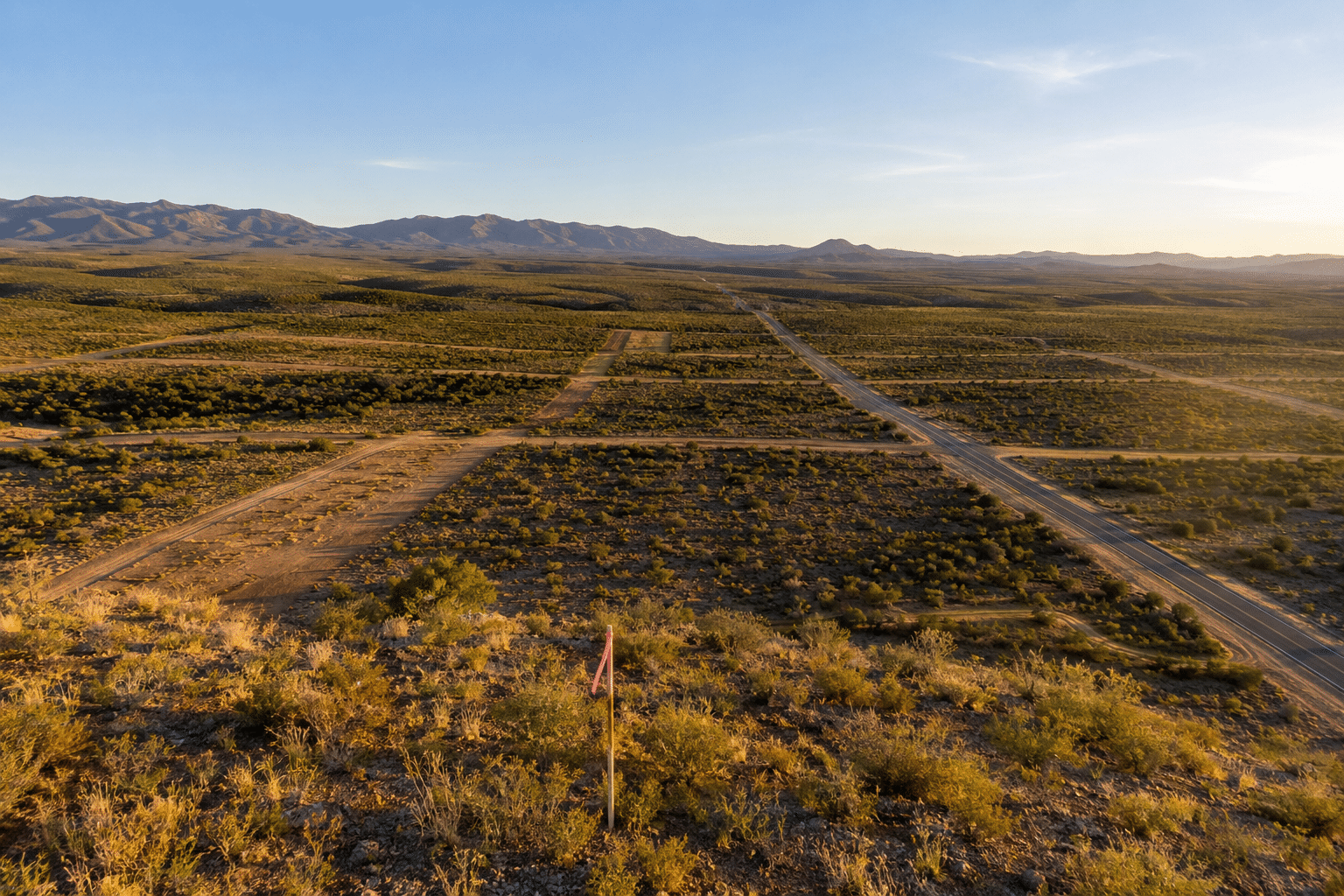
Land investing solutions are the tools and services that move a deal from “someone owns dirt” to a completed transaction. They fall into a few buckets. Direct-buy companies make a cash offer to owners. Data platforms help investors find and price land parcels. Investor-led education teaches the whole workflow from lead to close. Some people want to sell your land quickly and be done with it. Others want to build a land investing business and close deals themselves.
The audience is broader than most people assume. Beginners with limited capital use these solutions because vacant land often has a lower entry point than rentals or house flipping. Experienced investors pivot to land because there are no tenants, no toilets, and no crews. House flippers who are burned out on contractors often land here, too. If you’re still weighing whether land is a good investment, it helps to understand who these solutions actually serve.
Raw land, especially rural land, often trades with less competition and emotion than houses. The reason is that land has no mortgage payment pressure and no monthly holding stress for an owner who has already stopped using it, so some sellers price on relief rather than market value. That is why patient buyers can sometimes pick up vacant land below market value. Farmland has been a durable asset for decades. According to the USDA Economic Research Service, farmland values have trended upward over long periods.
How the land buying and selling process works step by step
The process is less mysterious than the hype makes it sound. You pick a market, pull a list of owners, send offers, negotiate, run due diligence, close, and then sell your land to an end buyer. Each step has a failure point. Skipping any of them is how people lose money.
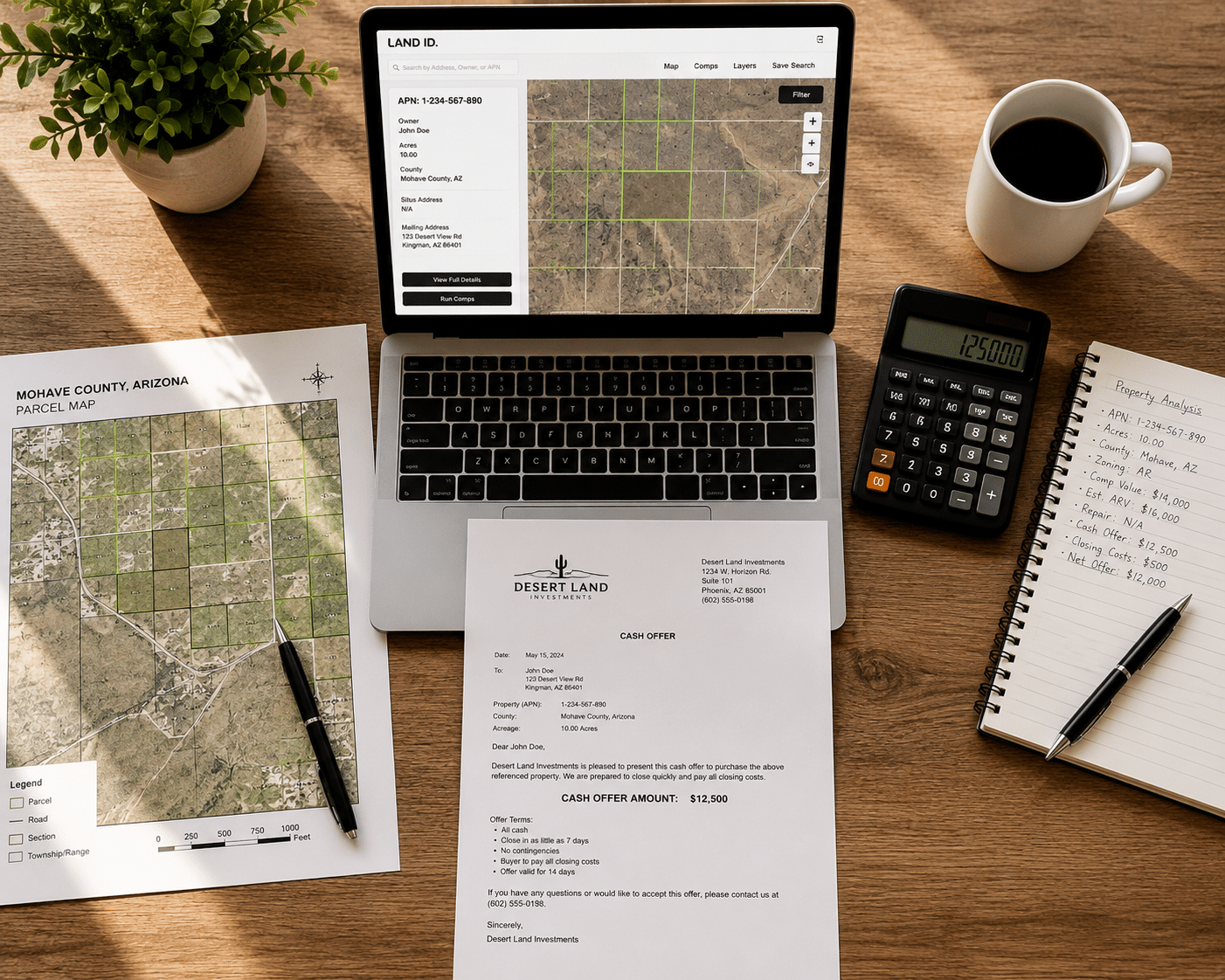
Sourcing comes first. Most active land investors buy county-level lists and mail cash offers to owners. Motivated sellers respond because they inherited a land parcel they never visit or stopped paying taxes on. Then comes due diligence: confirming access, checking zoning and flood status, and finding out whether the parcel is buildable. Landlocked parcels and title complications are the two problems that quietly kill deals, so they get checked early. Following proven land flipping systems keeps this sequence tight so nothing slips through the cracks.
Pricing is where discipline pays off. Serious buyers use conservative numbers and offer a fraction of the retail price. That way the resale carries margin even if the market softens. Closing usually runs through a title company or attorney, which is why closing costs matter. Property transfer rules vary by state, so verify recording and disclosure requirements with your local county recorder or a title professional before you sign.
Nationwide reach and multi-state land investing track record
Land is one of the few real estate niches where you never have to visit the property to close a deal. That is why nationwide land buyers can operate across dozens of states from a laptop. The reason is simple. Land has no plumbing to inspect and no tenants to meet, so the entire transaction can run remotely through mail, phone, and a title company.
A working land investing operation isn’t stuck in one county. The best deals rotate. A market that produced strong deal flow last year can dry up as more active land investors enter the market. Operators then shift to fresh areas where competition is thinner, and prices still make sense. Broader housing trends tracked in the National Association of Realtors’ research and statistics can help you gauge where a market is heading before you commit. Spreading across multiple states also smooths out the seasonality and local slowdowns that trap single-market investors.
Volume tells the story better than promises. A track record of 1,500+ completed land deals across many states means the systems have been tested against varied terrain, county rules, and title quirks, not on one lucky pocket market. That breadth is where investor-led education earns its credibility. The people teaching it have run the same playbook in Arizona desert, Florida wetlands, and Midwest farm country. Nationwide reach isn’t a bragging point on its own. It’s proof the process survives contact with real, messy, varied land parcels.
Handling difficult, distressed, or problem land parcels
Not every land parcel is clean, and the ugly ones are often where the margin hides. A parcel with a clouded title, back taxes, or no legal road access scares off casual buyers. That drives the purchase price down for anyone who knows how to fix the issue. The root cause of most “problem” land is paperwork, not the dirt itself.
Take landlocked parcels. A lot with no legal access looks worthless until you negotiate an easement from a neighbor, at which point the value can jump considerably. Title complications work the same way. Back taxes, heirs who never probated an estate, or a break in the ownership chain can all be resolved with time and the right professionals. Many assume distressed land is a trap. In reality, it’s frequently a discount for buyers willing to do the work.
Consider a common scenario: an investor buys a cheap parcel sight unseen, only to learn at resale that the only “road” on the county map is a private drive controlled by a neighbor. Now the deal stalls because no end buyer will close without legal access, and the investor is stuck negotiating an easement from a position of weakness. The discipline that separates winners here is honest due diligence. You confirm exactly what’s wrong before you buy, price the fix into your offer, and walk away when the numbers don’t hold. This is where the Land Method’s free Land Investor Due Diligence Playbook helps. It gives newer investors a checklist for spotting access, zoning, and title issues before they wire money. The goal isn’t to chase every hard deal. It’s to know which problems are solvable and which ones aren’t.

Investing alongside an active land operation for returns
Not everyone wants to source deals, run due diligence, and manage follow-up systems themselves. Some people simply want exposure to land without the daily operations. That is where investing alongside an active operation comes in. The idea is straightforward. You put capital to work behind operators who are already closing land deals and understand the pricing.
Land can potentially produce returns two ways. Buy-and-hold undeveloped land may capture appreciation over time. Farmland has historically delivered returns in the range of 10 to 12 percent annually, with returns split between income and land value growth, though past performance does not guarantee future results. Land flipping, by contrast, aims for faster turns and potential cash flow by buying land below market value and reselling it. An active land investment company blends both, using multiple land strategies rather than betting everything on one.
Here’s the honest part. Land is less liquid than stocks, and no operation controls the market. Returns depend on deal quality, pricing discipline, and execution, and are never guaranteed. This isn’t legal, tax, or investment advice, and anyone considering it should talk to a qualified professional about their own situation. What makes an operation worth backing is a documented track record and conservative numbers. Results in land come from buying right, not from hoping a parcel will appreciate quickly.
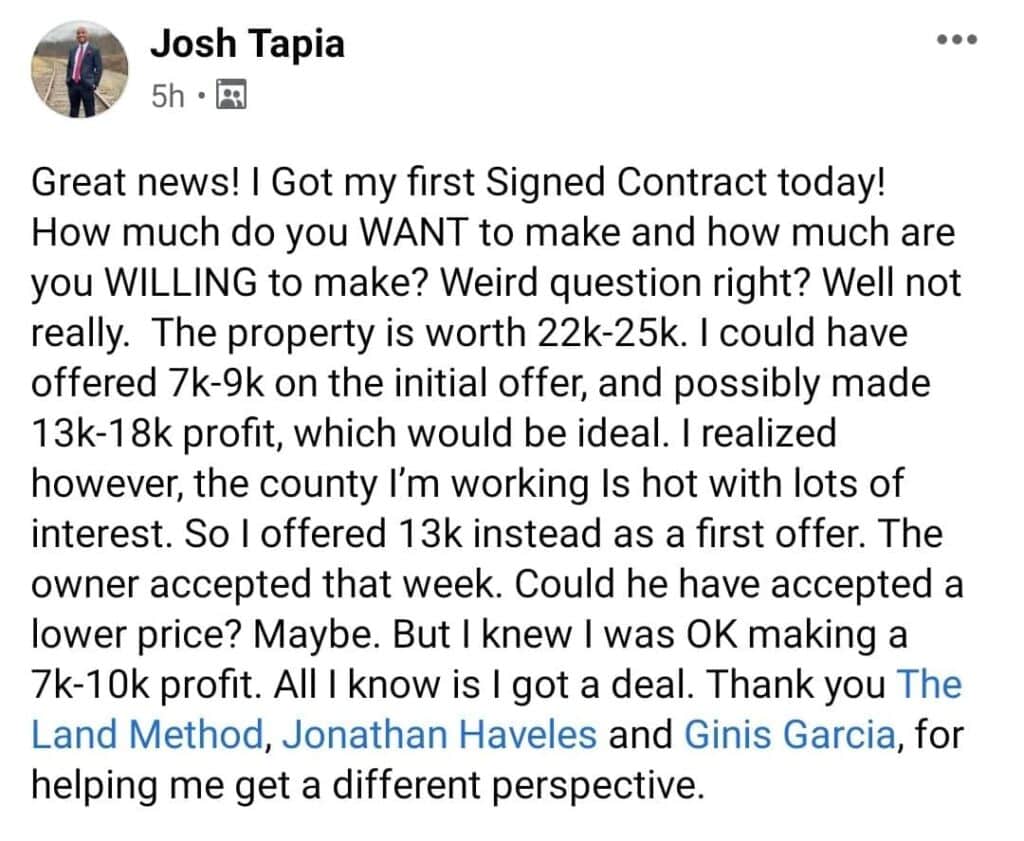
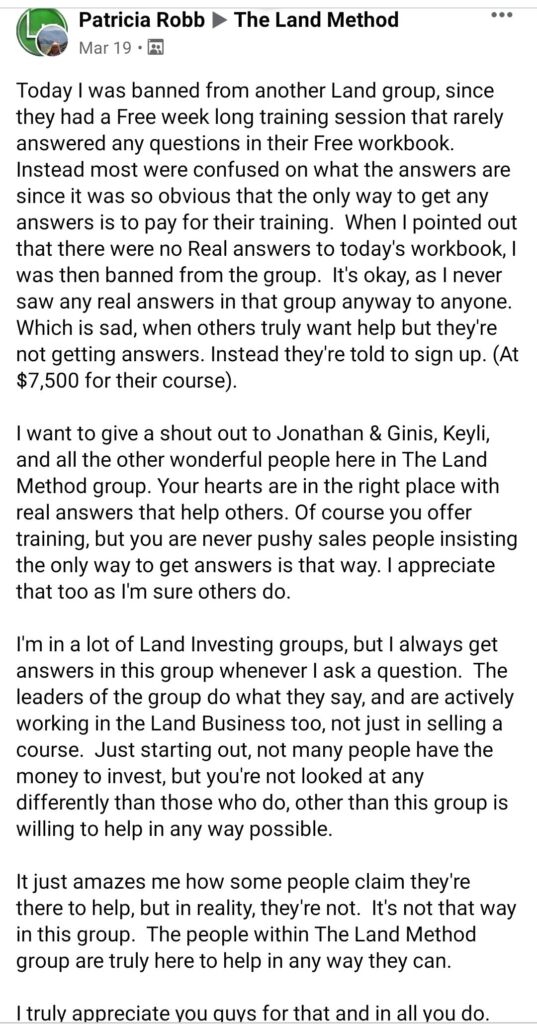
An example from one of our success studies:
Solutions built by active investors versus theory-only educators
There’s a real difference between someone teaching land investing from deals they did years ago and someone closing deals this month. The market shifts. Mail response rates, pricing spreads, and competition all change, and a strategy that worked well in 2019 can quietly stop working. Investor-led education from people still in the trenches reflects what’s working right now, not a frozen snapshot.
Most land education falls into the theory-only trap: a slick course, a “secret” strategy, and no practical tools for when a deal gets complicated. What actually matters is whether the educators are active land investors handing you the same documents, workflows, and proven systems they use themselves. That includes real offer templates, due diligence checklists, and follow-up systems, not just talk. Browsing real student success stories is one way to gauge whether the teaching actually translates into closed deals.
This is where a land investment company built by investors, for investors, separates itself from the pack. The-land-method’s land investing coaching, mentorship, and self-paced courses come from operators still buying and selling land. The frameworks are tested against current markets, and the proven systems get refined as conditions change. The point of investor-led education isn’t hype about fast results. It’s giving you a repeatable process, honest expectations, and the judgment to avoid bad land deals, all aimed at long-term progress rather than a quick thrill.
Meet the Team and Explore Our Services
Our Experts and Leadership
Let’s introduce you to our founders.
- Jonathan Haveles – Co-Founder
Jonathan has over 12 years of experience helping investors scale from their first deal to full-time land investing. He has personally coached hundreds of students on buying raw land, vacant land, and rural land, helping them optimize cash flow and maximize capital gains. - Ginis Garcia – Co-Founder
Ginis specializes in operational strategy and investor training, guiding clients through structured land investing solutions that streamline acquisitions, reduce closing costs, and target profitable parcels. He focuses on helping new investors build consistency to scale their real estate investment portfolios efficiently.
Locations, Contact Info, and Business Services
- Office: 125 E 100 N, #464, Heber City, UT 84032
- Phone Number: +1 (980) 357-4545
- Email: [email protected]
- Website: thelandmethod.com
Why The Land Method Is the Partner You Can Trust?

From structuring seller-financed deals on rural parcels to repositioning commercial land in high-demand zones like Charlotte, we focus on what works in today’s market, not recycled theories. This experience allows us to guide investors through practical, income-producing projects rather than surface-level examples.
Two practical signals that demonstrate how the program operates in real time:
- The founders host a “Crushing Land” series that brings in other professionals to help you with different aspects of your land business. We have had previous guests like CPA’s, Probate attorneys, Marketing resources, Lenders, Transactional lenders and much more.
- The Land Riches Blueprint: Coaching Edition lists explicit modules (how to pick an area, how to find motivated sellers, offer structuring, and rapid research templates). These are concrete course outputs that students apply to vacant land.
Whether you’re converting an idle, vacant lot into a revenue stream or looking to scale your land-investing portfolio, we provide tested workflows, updated valuation models, and reliable industry connections that shorten your learning curve and strengthen your results.
Example:
If you’re ready to advance beyond theory and work with people who are still doing deals every day, this is where you start.
Using multiple land strategies with conservative real-world numbers
The investors who last don’t rely on a single trick. They run multiple land strategies at once: quick flips for cash flow, buy-and-hold on select vacant land for appreciation, seller financing to widen the buyer pool, and the occasional subdivide play when the parcel supports it. When one approach slows, another can help carry the land investing business. That is how deal flow tends to stay steadier instead of feast-or-famine.
The glue holding it together is conservative numbers. Serious buyers underwrite every land project as if the resale will take longer and sell for less than hoped, then structure the offer so the deal still works. That means low buy prices, realistic resale comps, and honest math on closing costs. Skip that discipline and one bad market month can erase the profit from several good ones.
Two more pieces matter: lead quality and follow-up. Better lists and tighter market selection raise the odds that motivated sellers actually respond. Consistent follow-up systems recover deals that would otherwise die after one “no.” With no commissions eating margins the way traditional agents do, disciplined land investing can keep more of each spread. Real land-investing solutions come from stacking these habits, not from chasing a single magic strategy.
If you want a straight answer on where to start and whether land fits your goals and capital, you can explore your options with the-land-method and book a 15-minute strategy call to talk through your situation with active investors. No hype, just a practical read on your next step.

FAQs
Q1. What are land investing solutions, and how do they actually work?
A1.
Land investing solutions are the services, systems, and strategies used to buy, sell, and profit from vacant or rural land. In practice, they range from direct cash-offer companies that buy parcels from owners to education and coaching that teach you how to source deals, run due diligence, price conservatively, and flip land yourself.
Q2. How does land investing generate returns compared to traditional real estate?
A2.
Land typically earns returns through appreciation and, in cases like farmland, lease income, with U.S. farmland historically averaging around 10-12% annual returns. Unlike rentals, raw land has no tenants, renovations, or maintenance, but it’s less liquid and generally rewards a longer holding period or an active flipping strategy to force a shorter turnaround.
Q3. Why would an investor pick raw land over rental properties?
A3.
Raw land usually requires far less capital, with parcels starting around $5,000-$15,000, and involves no tenants, repairs, or utilities to manage. That lower overhead and hands-off ownership make it appealing to people who want real estate exposure without the operational headaches of rentals.
Q4. Is paying for land-investing education actually worth it, or is it just hype?
A4.
Much of the market sells simplified or overhyped strategies, so the value depends on whether the educators are active investors teaching what works in the current market. Look for programs built around real-world numbers, due diligence, follow-up systems, and multiple strategies, rather than a single ‘secret’ method or overnight income promises.
Q5. What if my leads are poor and my deal flow stays inconsistent?
A5.
Inconsistent deals almost always trace back to weak market selection, low-quality lists, or nonexistent follow-up rather than bad luck. Fixing it means tightening your area research, cleaning up your marketing lists, and running a repeatable follow-up process so deals move predictably from lead to close.

Ginis Garcia is a seasoned real estate investor with over 14 years of experience helping both new and experienced investors achieve their goals in the housing and land markets. He started doing deals here and there in 2008. In 2011, He started working for a major real estate investor. He got his real estate license in 2012.