

If you’ve tried to change how your property is used, expand a structure, or even tweak a fence or garage on your lot, you’ve probably bumped into something called a variance, and most property owners only learn what it really means when it’s already slowing a project down.
What is Variance in Real Estate?
Defining Variance and Its Role in Zoning
In real estate, a variance is a legally recognized exception that allows a property owner to deviate from specific zoning ordinance rules. It doesn’t rewrite the zoning law itself; it temporarily relaxes it for one property because the strict rule would create practical difficulty given how that parcel is shaped or used. This could be because something odd shapes the lot, steeply slopes it, or physically constrains it in a way that makes normal zoning requirements unreasonable. Understanding how these exceptions work is an important part of evaluating land opportunities, which is why many investors rely on structured land investing solutions to navigate zoning constraints effectively.
There are two main types of variances you’ll hear about:
- Area variance — lets a property owner adjust physical requirements (like setbacks, building height, or lot size) when the site’s characteristics make compliance impractical.
- Use variance — Allows a property to be used in a way that current zoning doesn’t normally permit, such as running a small business on a lot zoned strictly for family homes.
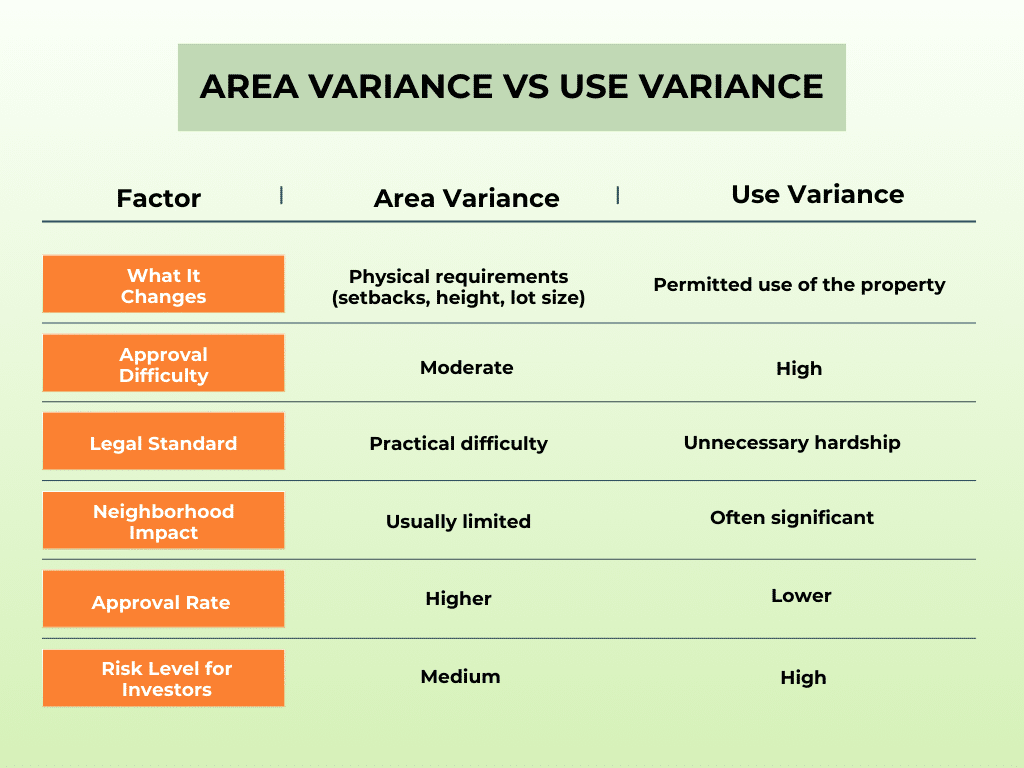
In 2026, we’re seeing variance applications spike in many markets as zoning ordinances from decades ago clash with modern land use realities, especially for single‑family homes, family homes in evolving neighborhoods, and mixed residential‑commercial areas. Homeowners and real estate investors alike are discovering that not all compliance paths are obvious, and navigating these nuance‑laden rules without the right framework costs time, money, and sometimes entire deals.
At The Land Method, we don’t teach zoning as an abstract; we teach how to work with these rules so you don’t get blindsided. Our founders, Jonathan Haveles and Ginis Garcia, have sat through hundreds of variance hearings and approvals. They’ve learned what local zoning boards actually look for, how applications succeed in practice, and how to build a variance strategy into an investor’s decision process before money is committed.
Understanding Zoning and Local Regulations
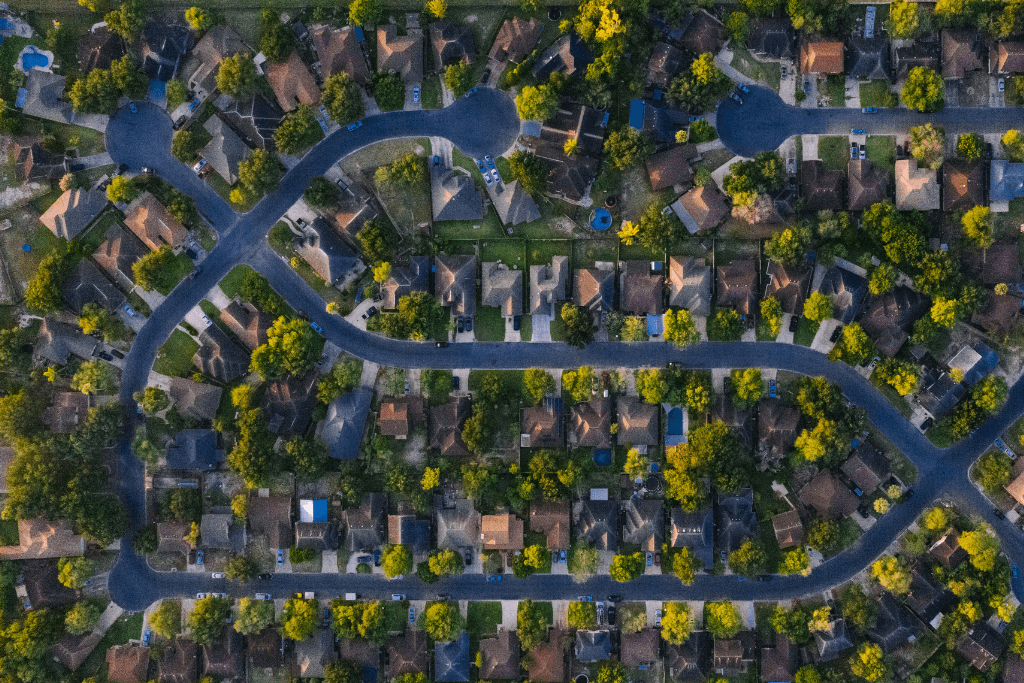
Zoning rules decide what you can and cannot do with a property, but they’re rarely as clear‑cut as they look on paper. Most zoning ordinances were written years ago, and many properties in 2026 simply don’t fit those old assumptions anymore.
In practice, zoning is enforced by people, not just rules. Planning staff, zoning boards, and local commissions interpret how regulations apply to real‑world properties, especially when lot shape, slope, access, or surrounding uses create practical limitations.
A few realities property owners should know:
- Zoning classifications set the default use, but they don’t account for every physical constraint.
- Small details like setbacks, building height, or distance from a property line often block projects more than the use itself.
- Local boards care less about technical perfection and more about whether a request aligns with neighborhood intent.
- Public hearings exist because zoning decisions affect nearby owners, not just the applicant.
Property owners often make the mistake of assuming zoning is fixed. It isn’t. The outcome usually depends on how well they position, explain, and justify the request—not just on what the ordinance says.
Main Types of Variances and Their Applications
Different Types of Variances
Most variance requests fall into just a few buckets, and zoning boards decide them fast when the category is clear.
- Area variance applies when the use is allowed, but the property physically can’t meet zoning requirements. This usually involves lot size, setbacks, building height, or slope issues. These are approved more often because they don’t change how the property is used.
- Use variance allows a use that zoning normally prohibits, such as commercial activity in a residential district. These face higher resistance because they alter neighborhood expectations and long‑term planning.
- Special-use permits are conditional approvals. The zoning allows the use, but only if specific criteria are met. These are common for mixed‑use projects or properties with unique operating conditions.
What zoning boards care about is simple:
Does the property have a real constraint, or is the owner trying to stretch the rules?
Requests tied to unnecessary hardship caused by the land itself carry weight. Requests driven by convenience or profit usually don’t. Variances are reviewed on a case‑by‑case basis, and clarity beats volume every time.
The Variance Application Process Explained
Most variance applications fail for one reason: the request isn’t clear.
Steps to File a Variance Application
Here’s how it actually works on the ground:
- You file with the planning department. Plans don’t need polish. They need accuracy.
- Staff reviews it and sends it to a zoning board or planning commission.
- A public hearing is scheduled. Neighbors can speak. Some will.
- Board members focus on one thing only: does the property itself create the issue under current zoning laws?
- If approved, the variance has conditions and an expiration date.
- If denied, appeals exist, but they rarely succeed unless something material changes.
Boards don’t reward effort. They reward restraint.
The strongest applications are short, specific, and tied directly to the land — not the owner’s goals, timeline, or budget.
That’s it. No tricks. No shortcuts.
Working With Experts During the Process
Most variance issues aren’t legal problems. There are positioning problems.
A real estate attorney helps when zoning rules collide with real estate law, title issues, or prior approvals. Their value isn’t paperwork; it’s knowing what not to argue and what boards have rejected before.
A real estate agent or local broker adds context. They know how similar properties in the same zoning district were treated and which arguments resonated with the zoning authority.
For investors, especially real estate investors working across multiple properties, experience matters more than credentials. People who’ve sat through hearings understand tone, timing, and when silence works better than explanation.
At The Land Method, we don’t teach zoning from a textbook. We break down real variance outcomes, what passed, what failed, and why, so investors don’t waste months learning lessons the hard way.
The goal isn’t approval at any cost.
It’s knowing when a variance is worth pursuing and when it isn’t.
Impact of Variance on Property and Community
A variance doesn’t just affect one property. It changes how rules are applied in a specific area.
For a property owner, an approved variance can unlock stalled plans. A small area variance can make a home usable. A use variance can change a residential property’s income potential or open the door to commercial real estate use. In many cases, that directly impacts home values and future resale.
For the surrounding residential district, the concern is precedent. Zoning boards are cautious because one approval can invite similar requests. That’s why boards look closely at whether the situation is truly unique or just inconvenient.
From the community’s side, the balance is simple:
- Private property rights vs. public interests
- Flexibility vs. consistency
- Individual improvement vs. neighborhood impact
When variances are granted narrowly, tied to the land, and limited in scope, they tend to stabilize property values rather than disrupt them. When they stretch zoning intent, resistance grows fast.
This is why zoning authorities lean conservative. They’re not blocking growth; they’re trying to keep zoning rules meaningful.
Variance real estate decisions are rarely about what a property owner wants. They’re about whether the request fits within current zoning regulations without weakening the zoning ordinance for the broader residential area or zoning district.
A few ground‑level insights that matter in 2026:
- Unnecessary hardship must be tied to the land, not the owner. Zoning authorities consistently reject variance applications that cite cost, convenience, or personal preference.
- Use variance requests face the highest scrutiny, especially when shifting from residential use to commercial business. These are evaluated strictly on a case‑by‑case basis.
- Area variance requests (lot size, building height, property line setbacks, steep slope limits) have higher approval rates when impacts are contained within the parcel.
- Existing zoning regulations carry more weight than surrounding development. “Everyone else did it” is not a valid argument before a local zoning board.
- Special use permits are often a faster alternative when zoning laws already anticipate conditional flexibility.
Local context matters. In markets like New York, zoning changes move more slowly, public hearing participation is higher, and planning commission feedback is more rigid. Investors who work with local experts, not just a real estate agent, avoid costly misreads.
The bottom line: successful variance outcomes come from understanding zoning requirements, zoning authority behavior, and how public interests are weighed against private property rights. Anything else is guesswork.
Where Real‑World Experience Makes the Difference?

Zoning and variance decisions don’t fail because of missing paperwork. Most property owners and investors fail because they have to learn the process while they’re already under pressure.
We’ve seen this repeatedly. People rely on surface‑level advice, assume rules are flexible, or trust that logic alone will carry a variance through. In reality, zoning boards respond to preparation, precedent, and clarity, not intent.
This is why our approach stays grounded in real cases, not theory. The focus is on how zoning authorities actually think, how planning commissions interpret unnecessary hardship, and when a variance is worth pursuing versus walking away. That perspective only comes from being active in the field, dealing with approvals, denials, and edge cases firsthand.
If you’re navigating zoning changes, land development, or complex property decisions, the biggest advantage isn’t speed, it’s avoiding preventable mistakes. Understanding the variance process before you need it saves time, capital, and frustration later.
This isn’t about pushing approvals.
It’s about helping you make better decisions before you file anything.
FAQs
Q1. Why do so many variance requests get denied, even when they seem reasonable?
A1. Most denials happen because the request doesn’t meet the legal standard of unnecessary hardship. Zoning boards aren’t judging whether a plan is smart or profitable; they’re deciding whether the property cannot reasonably be used under existing zoning regulations. Convenience and cost rarely qualify
Q2. Is applying for a variance worth it before buying a property?
A2. Only if you’re prepared for a “no.” Many property owners and real estate investors make the mistake of assuming approval is likely. In reality, a proposed variance should be treated as uncertain until approved, especially when it involves use variance or changes in a residential district.
Q3. What actually influences a zoning board’s decision during a public hearing?
A3. Preparation matters more than passion. Clear documentation, alignment with zoning ordinance intent, and limited impact on neighboring properties carry more weight than emotional arguments. Community member opposition can influence outcomes, but it’s rarely the deciding factor on its own.
Q4. Can a variance increase home values or property values?
A4. Yes, when it improves functionality without disrupting the surrounding area. Variances tied to lot size, building height, or property line adjustments often add value. Overreaching variances, especially those that stretch residential use, tend to face resistance and uncertainty.
Q5. What’s the biggest mistake property owners make during the variance process?
A5. Waiting too long to understand the rules. Many people involve a real estate attorney or planning expert only after issues surface. Knowing zoning requirements, timelines, and appeal process limits early helps avoid wasted time, legal costs, and stalled development plans.

Ginis Garcia is a seasoned real estate investor with over 14 years of experience helping both new and experienced investors achieve their goals in the housing and land markets. He started doing deals here and there in 2008. In 2011, He started working for a major real estate investor. He got his real estate license in 2012.