

Raw land is land that has no development or utilities on it. It’s essentially land in its most natural state. Raw land is becoming one of the most strategic real estate investments heading into 2026, not because it’s trendy, but because it gives buyers what developed properties no longer offer: lower entry costs, flexible use, and complete control over the outcome.
As construction costs and interest rates shift the real estate market, more investors are moving toward raw land investments, vacant land, and undeveloped land, especially in counties preparing for zoning changes, new schools, or road expansions.
At The Land Method, this is the type of land we work with every day.
Instead of guessing, we teach investors how to break down a parcel using:
- Zoning regulations
- GIS maps
- County tax data
- Access verification
- Soil and septic feasibility
- Market velocity (how fast things resell)
The biggest advantage?
You don’t need to live in the U.S. to do this. Many of our students analyze and buy unimproved land entirely online using public data, digital signatures, and vetted title companies.
Understanding Raw Land and Its Unique Characteristics
Raw land sits in its natural state, with no structures, utilities, or grading. That doesn’t make it risky; it makes it predictable if you know what to look for.
We teach investors to analyze raw parcels based on three factors that determine real value:
1. Access & Topography
- Legal road access immediately increases land value.
- Landlocked or steep parcels are still viable but require deeper analysis and often lower offers.
- Slope, drainage, elevation, and physical layout affect construction costs and resale demand.
2. Soil Quality & Natural Resources
- Good soil in areas that are not on city/county sewer means better septic approval, lower development costs, and more substantial long-term value.
- Flood zones, wetlands, or rocky terrain require expensive engineered solutions, but are manageable if analyzed early.
3. Zoning, Future Use & Utility Potential
- Zoning regulations dictate what you can build, lease, or develop.
- Parcels near planned sewer lines, fiber internet expansion, or new road projects often appreciate faster than the general market.
- A quiet rural lot today may become tomorrow’s residential development zone.
Why Raw Land Investments Can Be a Good Investment in 2026?
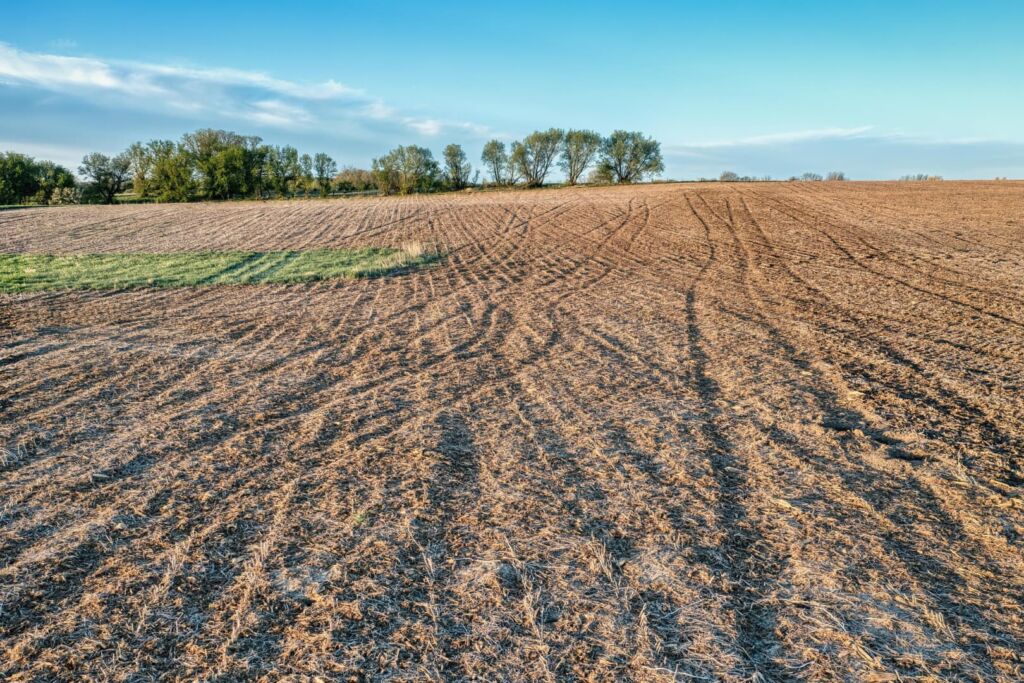
Raw land is outperforming many traditional investments in 2026 because it provides control, low holding costs, and long-term upside. Here’s why experienced real estate investors are buying it aggressively.
1. Market Demand & Growth Potential
- Rural areas still offer the lowest price per acre, but many counties are approving new subdivisions, highway upgrades, and school expansions, all signals of rising land value.
- Secondary markets near cities like Nashville, Raleigh, Austin, Phoenix, and Tampa continue to show fast population growth, increasing the need for future residential development.
- Early buyers position themselves ahead of developers who eventually need vacant land to build single-family homes, rental properties, and commercial property corridors.
Let’s understand this with a case study, which is also an example:
A $22,000 vacant lot in a growing North Carolina county doubled in value in less than 18 months once zoning updates allowed small residential lots and the county extended road access. Buyers who understood the future development map captured those gains early.
2. Potential Returns & Cash Flow Upside
- Raw land tends to appreciate steadily because you’re buying the land at its lowest “entry point” and choosing when or whether to improve it.
- Seller financing remains one of the best cash flow strategies for raw land investors. You sell the parcel at a markup and collect monthly payments without tenants, repairs, or property management.
- Property taxes on unimproved land are significantly lower than those on developed properties, ideal for long-term holding.
Even small improvements (surveying, basic clearing, or driveway cuts) can increase land value by 15–40% without full construction.

Ginis Garcia is a seasoned real estate investor with over 14 years of experience helping both new and experienced investors achieve their goals in the housing and land markets.